
Let your finger tips decide if scuffs, scratches or cracks need repair. Only damage that can be felt needs fixing. Cuts, tears, burns or holes through the material will need to be patched and filled.
Scratched, scuffed leather or dry, porous vinyl are often corrected with little more than a gentle sanding and a fresh finish. Click here for instructions.
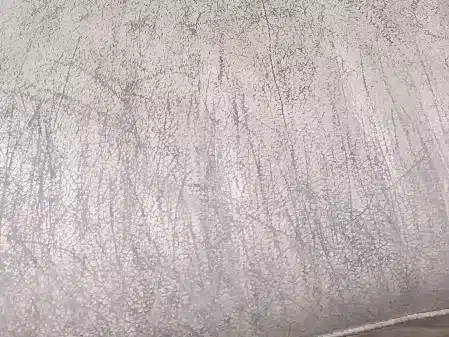
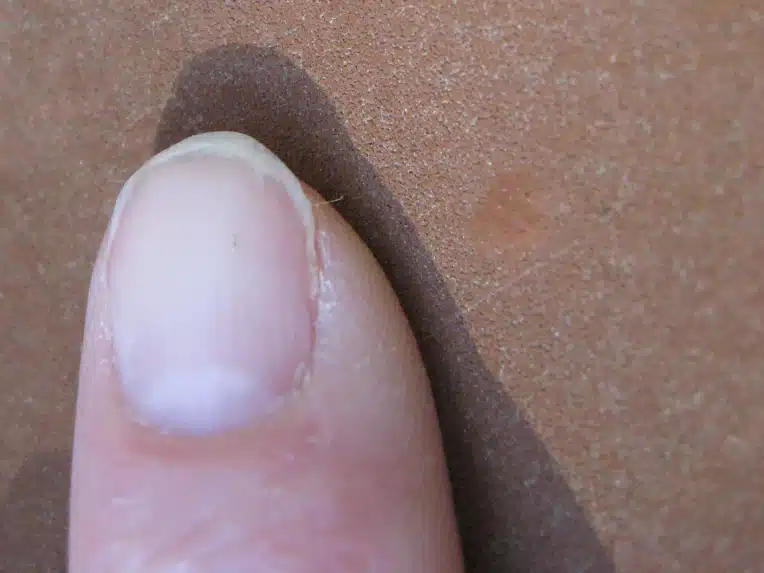
Deeper cracks or splits, chafing, scaliness, or damage that exposes suede or a woven backing should be repaired with a flexible filler and then refinished with color. Learn how here.
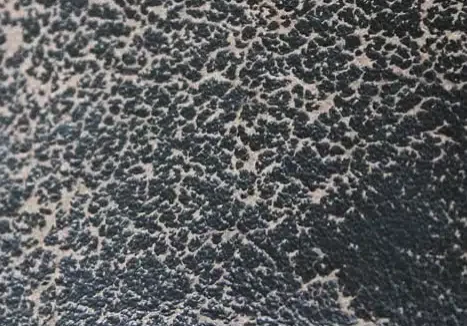
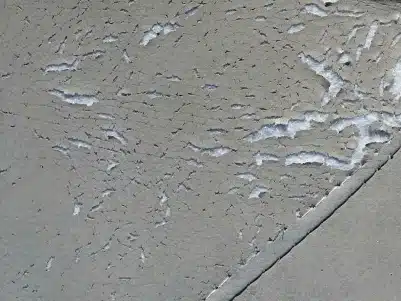
Large of areas sun-rotted vinyl (spa covers, tonneau covers, vinyl tops, boat upholstery or yurt roofs) are more economically resurfaced with a rubberized coating. Click here for more information. Do not use rubberized coatings on real leather.
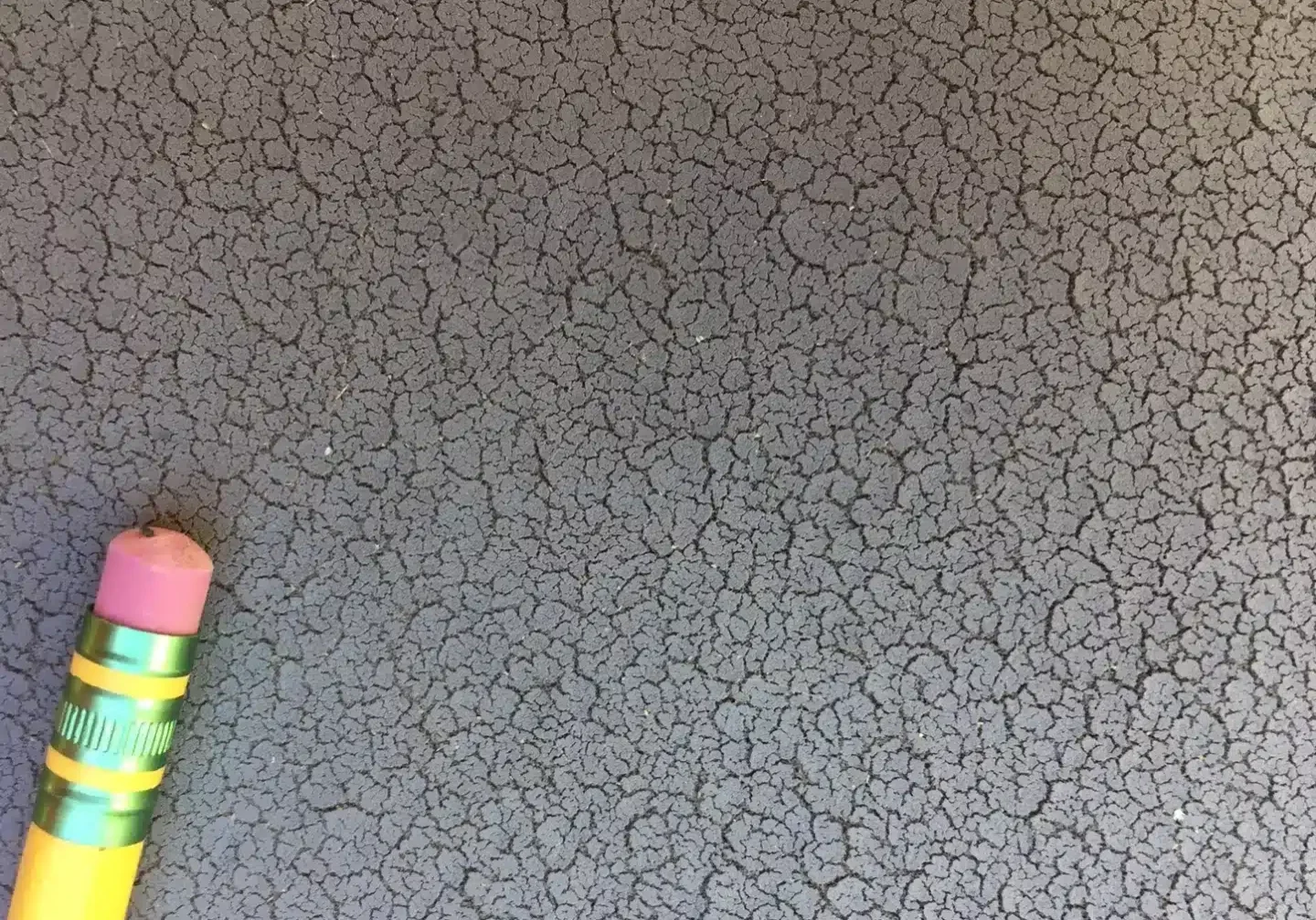
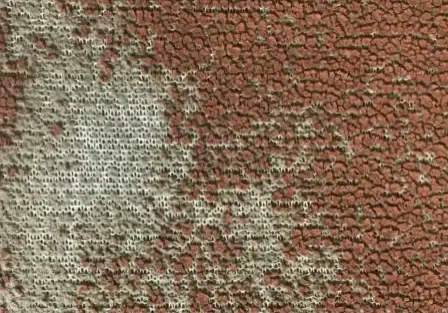
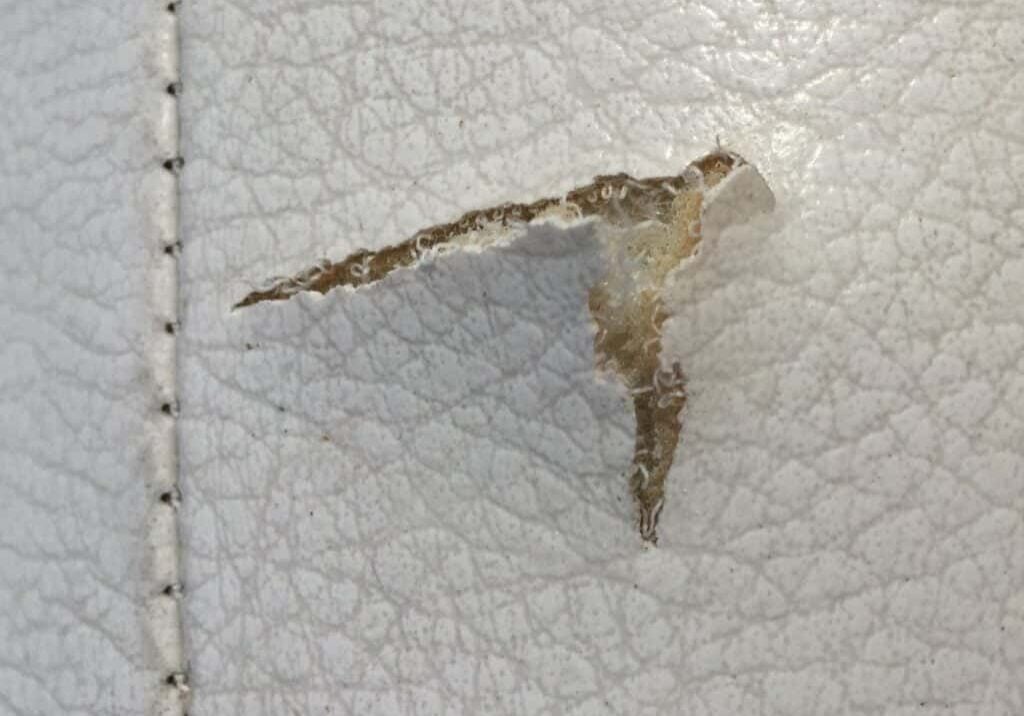
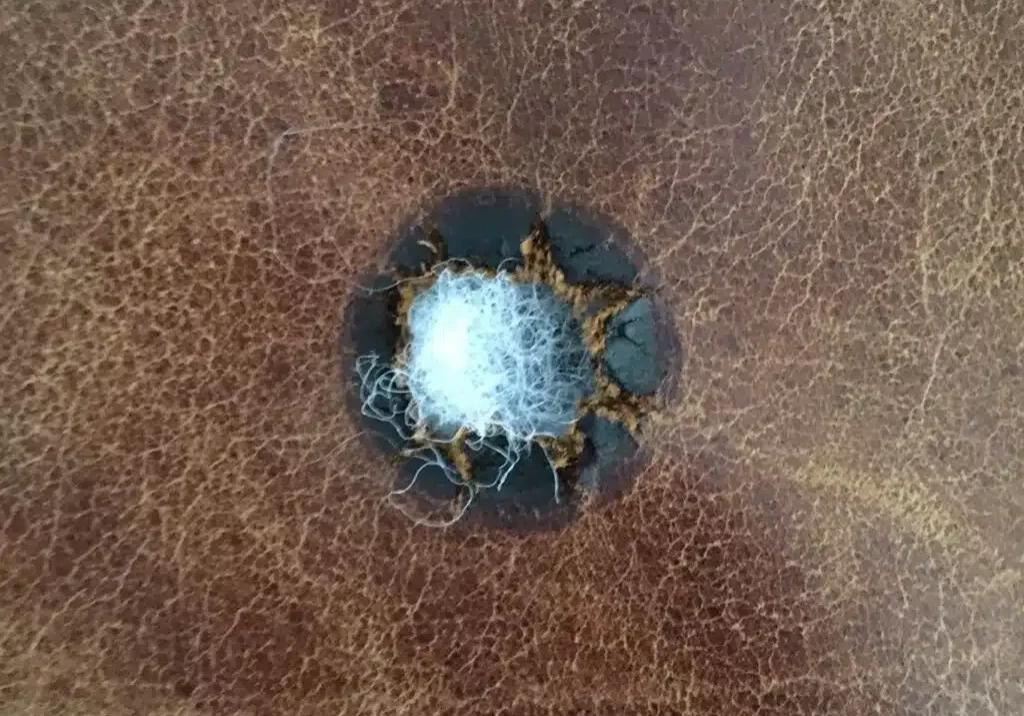
Cuts, tears, burns or holes through the leather or vinyl can also be repaired. The material must be subpatched in order for filler to float freely over the interior foam or padding. Click here for instructions and a video demonstration.
Real leather and marine vinyl don't delaminate like bonded and faux leather. Here's how you fix peeling or flaking 'leather' and why we don't recommend it.
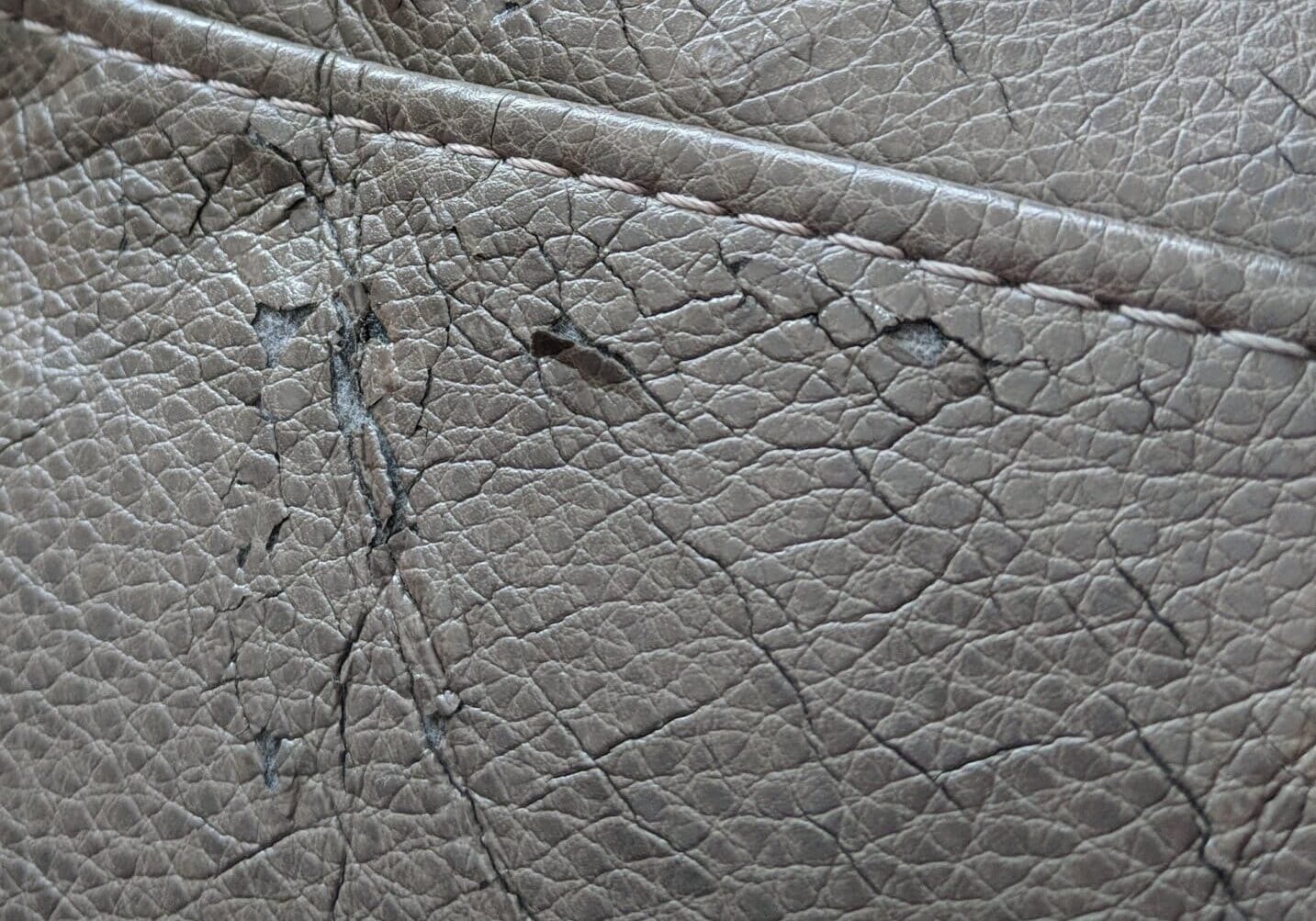
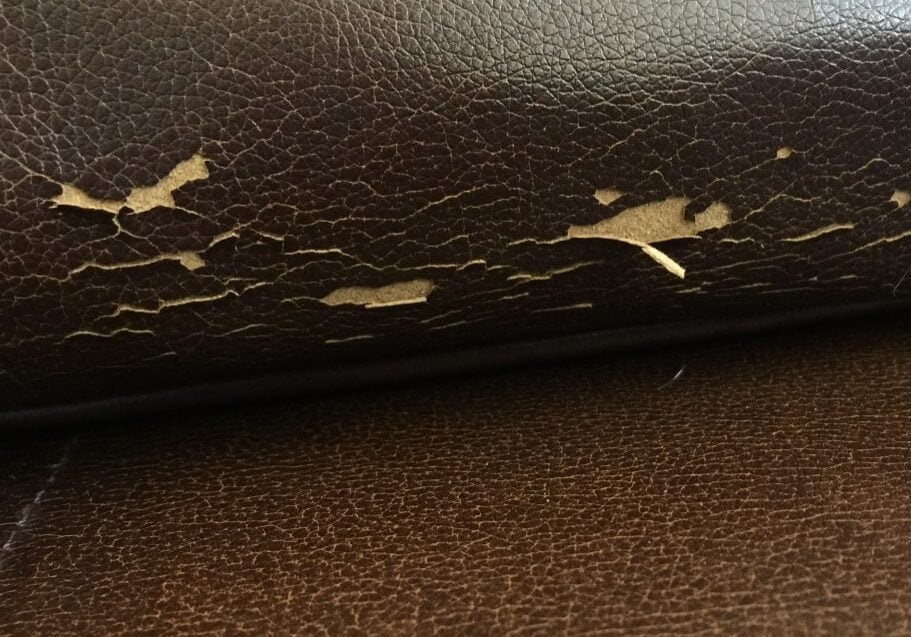
Correct dry, porous leather or vinyl with a gentle sanding and new finish.
- Clean with alcohol.
- If it's real leather and absorbent, apply Moisturizing Cream to any thirsty areas. Allow to permeate and dry 30 minutes.
- Apply a glaze (Rub ‘n Restore® Color diluted with either Clear Prep+Finish™ or Satin Sealer). This will disperse better on absorbent, porous or worn areas and will allow subsequent layers of color to dry more evenly. It is also more economical than working with color alone.
- Once dry, gently polish any burrs or rough areas with 320 grit sandpaper.
- Apply undiluted color, if needed, in thin coats. This gets better coverage and dries with a low-luster finish.
- Bright colors (Butterscotch, reds, blues, etc.) need sealing. Use Clear Prep+Finish if shine is desired on leather (do not use on vinyl). Satin Sealer can be used for a low-luster finish for both leather and vinyl.
If any hairline cracks in the fiber are not improved after a couple coats, strip any unabsorbed, uncured finish with alcohol, and repair cracking leather as follows.
Repair scaly, cracking or chafed leather or vinyl.
- Clean the area with alcohol. Let dry.
- If it's real leather and absorbent, apply Moisturizing Cream to any dry areas. Allow to permeate and dry 30 minutes.
- Apply air-dry leather filler and vinyl repair putty to suede, scaly, chafed, or cracked areas. The video below demonstrates. Skip ahead to minute 3:14.
- Work in thin coats until a level surface is achieved. Filler can be sanded, but take care where the filler is thin and blended with undamaged areas, as it may peel up. If so, use alcohol to melt the cured filler and smooth imperfections before a final texturizing coat.
- Once the repair is complete, refinish with color.
Click here to estimate the amount needed.
A heat-cure putty is also available for vinyl but requires use of a heat gun and grain pad. Which putty should I use?
Repair putties are cost prohibitive for large areas of UV-damaged vinyl like hot tub covers, boat upholstery, and yurt roofs. In this case consider resurfacing vinyl with a rubberized coating as follows.
Use a rubberized coating to resurface large areas of sun-damaged vinyl.
Liquid Rubber® is an excellent solution for sun-rotted marine vinyl. While designed for RV roofs, we have used it with great success on spa covers, boat upholstery and yurts. Liquid Rubber® is water-based, easy to use and clean up. You don't need to be heavy-handed with it either. A quart (perhaps diluted with some water for easier spreading) is typically enough for a hot tub cover or boat. It is only available in white, so you may need to apply one of our colors over the top. Do not substitute FlexSeal®. Do not use on leather.
- Gently sand any raised cracks with 220 grit to level the surface, but take care not to do more damage to the vinyl.
- Clean with alcohol or lacquer thinner, and let dry.
- Apply thin coats of Liquid Rubber® just to the trouble spots. Use an angled brush to cut in edges or different panels.
- Let dry 4-8 hours before applying more.
- Follow with a Rub 'n Restore® color, if needed.
*As an Amazon Associate, we receive a small commission for recommending this product.
Subpatch cuts, tears or holes and repair with flexible filler putty.
The instructions are for holes smaller than 2" in diameter. Click here for holes larger than 2" or for tears along seams.
- Clean with alcohol, and let dry.
- Cut a patch larger than the hole, rounding the corners.
- Insert and glue the patch to the underside of the upholstery.
- Apply air-dry leather and vinyl filler, and let cure.
- Repeat until level.
- Do a final texturizing coat, and let cure.
- Recolor with a water-based finish.
Click here to estimate the amount needed.
A heat-cure putty is also available for vinyl but requires use of a heat gun and grain pad. Which putty should I use?
- 00:30 - Cut and insert the subpatch
- 01:20 - Glue the subpatch
- 03:14 - Clean excess glue
- 03:48 - Apply leather repair filler
- 05:16 - How to tell when the filler is cured
- 06:22 - Sanding (you can also try rubbing alcohol)
- 06:58 - Additional layers of leather repair filler
- 08:32 - Texturize and final sanding
- 09:41 - Recolor (from dark green to rusty brown)
Soft Filler is water-based. An incandescent bulb, heat lamp or sunny window are needed to warm the surface to 120º - 145º F (49º - 63º C). Hair dryers are no longer advised, as they can blow moisture inward and prevent proper curing. The filler will change from white to mostly clear, and is cured when no longer tacky.
Rubbing alcohol can also be used to correct imperfections in the cured filler. Less is more, and you can always re-work the repair. Click here for troubleshooting filler application.
I used to own a carpet cleaning business. My specialty was spot removal from carpet and furniture. Now retired I would like to learn this trade to supplement my retirement.
Hi Bill, You can start by browsing our video library as well as the Resource section. The best way to learn is to dive into a project. If you want tailored instructions and product recommendations, use our Project Planner.
I have an expensive leather bible made out of split calf skin and it had pop spilled on it and now it is sticky even after cleaning it with saddle soap and using conditioner nothing changes the sticky feel, I can’t even stand using it, could I just sand it down, would that help at all or just ruin it
See here about the types of leathers. Split grain often refers to the lower, weaker half of the hide and has an artificial grain or coating on top, which can deteriorate into a sticky mess. A top-grain (upper half of the hide) is stronger, better quality, and should hold up well to pop being spilled on it (even if it resulted in a stain). Try cleaning with rubbing alcohol. It may be easier to re-wrap or recover it in a better quality material.
I have a leather couch that where we set on 1 side, the area where our heads touch, it is slick and faded. Is this something that can be corrected?
Thank you
See here about treating oil stains on leather.
We are looking at trying to refresh and re-color our couch and loveseat.
Do you do custom colors?
Can we send you pictures of the couch and get your recommendations on how to refinish?
Thanks for your help, Karen
Yes, we can customize almost all colors except metallics / pearls, fluorescents, and some very high-chroma (bright) but dark colors. See here for our array of matching services. Please submit photos and complete our evaluation for help assessing and restoring your project.
Is there a way that I could achieve those exceptions (high chroma etc.) through an off the shelf tint added to your clear or white as a base?
Yes, see here about mixing your own color with our Clear Prep+Finish™.
I have vinyl purses that need to be softened/conditioned. What is the safest product to use ?
Vinyl purses that need softening? The first impression is that the purses may actually be faux or bonded leather with hairline cracks, in which case don’t waste your money or effort. If they are real vinyl, a new finish will protect and extend their life. It cannot reverse desiccation or plasticizer migration, however. Email good photos, and we can be of more help.